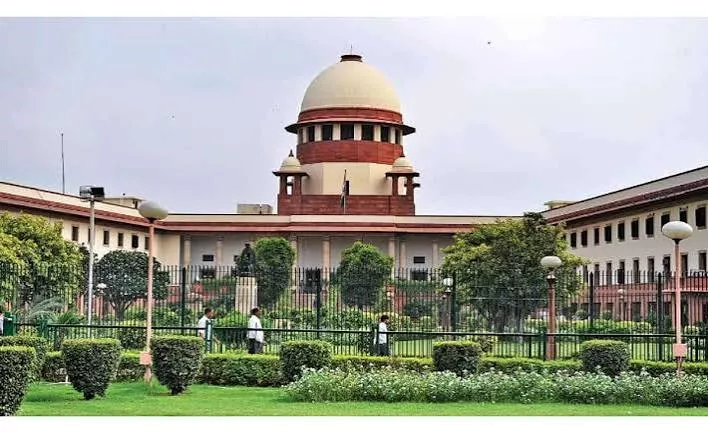
'Voter roll deletion shouldn't take away services': Supreme Court seeks replies on Bengal SIR
.gif)

Download Mobile App 






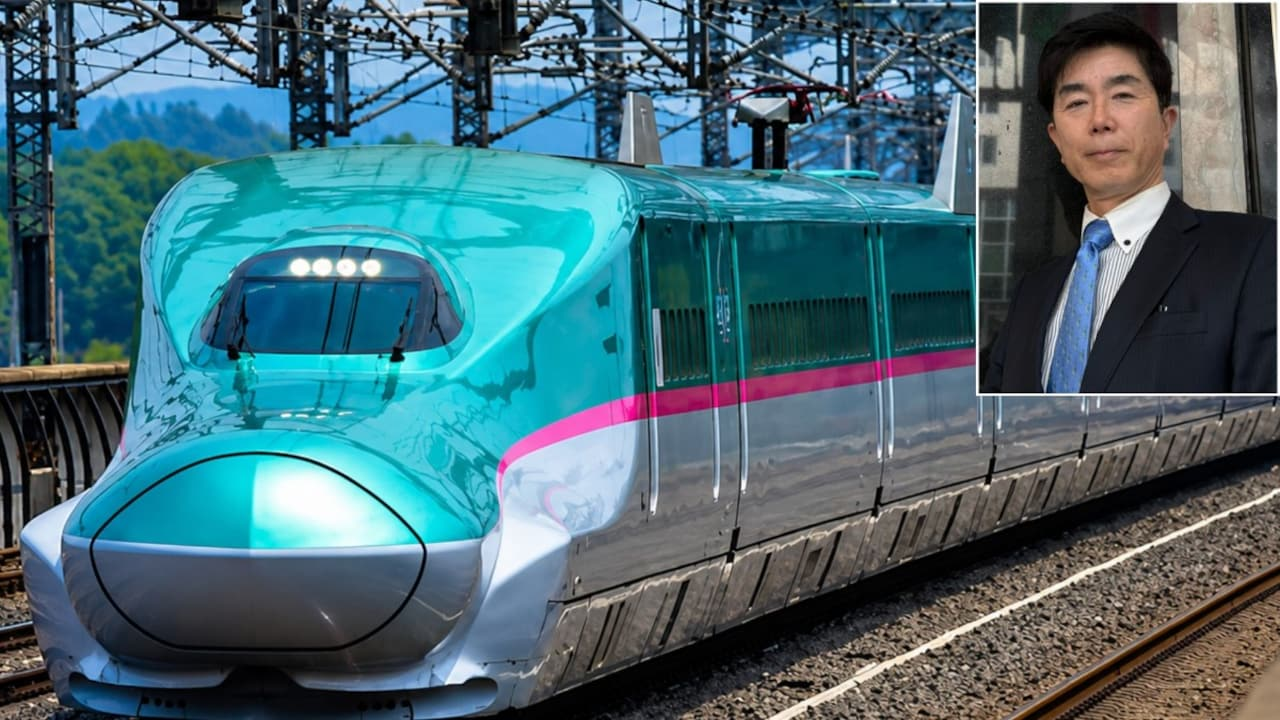
Former Japanese Justice Minister Hideki Makihara has alleged that delays in the Mumbai-Ahmedabad Bullet Train project were caused by the Indian side, accusing Indian officials of failing to honour commitments during negotiations. Indian government officials have rejected the allegations, maintaining that discussions with Japan are progressing smoothly and that the high-speed rail project has recently achieved significant construction milestones.
Makihara made the remarks in a post on X while responding to an opinion article by Japanese railway engineer and Delhi-based metro consultant Isao Tsujimura. The former minister claimed that the lack of progress in India's first high-speed rail corridor was "entirely on the Indian side". He alleged that Indian officials repeatedly failed to keep promises, frequently altered commitments during negotiations and pursued their own interests throughout the discussions. Makihara also criticised the minister who was overseeing the negotiations, describing the leadership as a major obstacle to progress.
Tsujimura, who clarified that he has no professional role in the project, argued in his opinion article that the Mumbai-Ahmedabad High-Speed Rail corridor had moved away from the original Japanese Shinkansen model. He stated that officials were privately aware the initial target of commencing operations in 2023 was unrealistic, despite both countries initially expressing commitment to implementing the project according to Japanese high-speed rail standards. Makihara also claimed that Japanese Prime Minister Sanae Takaichi's recent visit to India had not resulted in meaningful progress on the project.
Indian government sources dismissed the allegations, stating that cooperation between India and Japan on the Bullet Train project remains on track. According to officials, both countries have agreed to begin operations using an Indian high-speed train, while Japan is expected to provide the next-generation E10 series train in the early 2030s. Authorities said the project continues to advance with the shared objective of launching high-speed rail services at the earliest possible stage.
The 508-kilometre Mumbai-Ahmedabad High-Speed Rail corridor is India's first Bullet Train project and is being developed using Japanese Shinkansen technology with financial assistance from the Japan International Cooperation Agency (JICA). The corridor will connect Mumbai and Ahmedabad through 12 stations and is designed for an operational speed of 320 kmph. Officials expect phased passenger operations on the first section, likely between Surat and Bilimora, to begin on August 15, 2027. Construction has accelerated following earlier delays linked to land acquisition and political developments, with work progressing on stations, viaducts and tunnels across the corridor.




.webp)



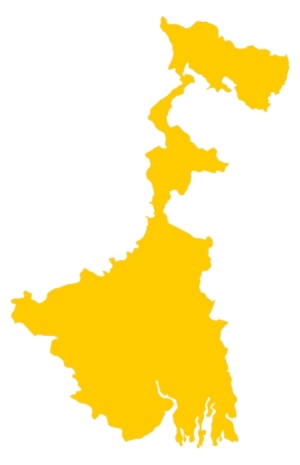 West Bengal
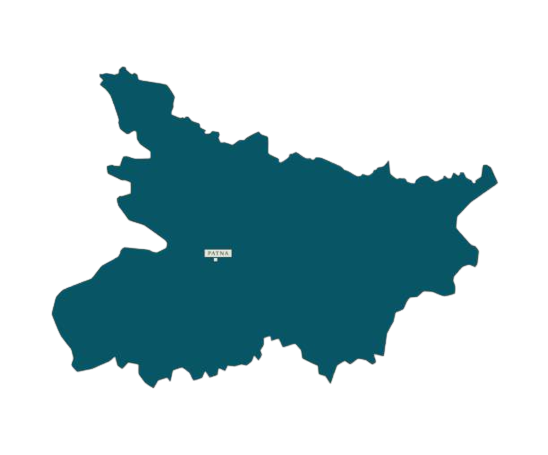 Bihar
Bihar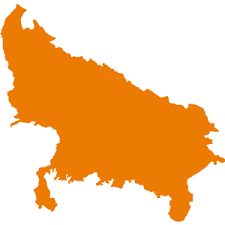 Uttar Pradesh
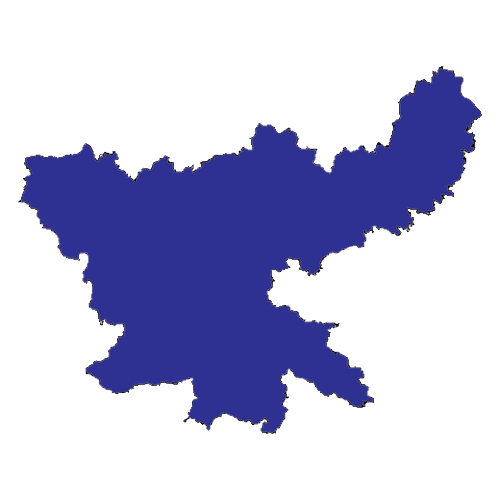 Jharkhand